Sustainable Style: Hottest Eco-Conscious Trends for 2026
The fashion industry stands at a pivotal juncture. As we approach 2026, the concept of "sustainable style" has transcended niche appeal to become a dominant force shaping consumer choices and brand strategies alike. This shift is not merely a fleeting trend but a fundamental re-evaluation of how clothing is designed, produced, consumed, and ultimately, re-integrated into a circular system. We systematically analyzed global fashion shifts, consumer sentiment reports, and material science breakthroughs to identify the eco-conscious trends poised to define the aesthetic and ethical landscape of 2026.
Our comprehensive review reveals a future where style no longer compromises planetary health or social equity. Instead, innovation, transparency, and a profound respect for resources are becoming intrinsic to desirability. This article delves into the hottest eco-conscious trends, offering insights into the materials, design philosophies, and systemic changes that will empower consumers and industry leaders to embrace a truly sustainable sartorial future.
The Driving Forces Behind Sustainable Fashion in 2026
Several powerful currents are converging to propel sustainable fashion into the mainstream. Consumer awareness, amplified by social media and educational campaigns, has significantly increased demand for transparency and ethical practices. Younger generations, particularly Gen Z and millennials, are demonstrating a strong preference for brands that align with their values, prioritizing environmental stewardship and social justice. This demographic shift is forcing brands to re-evaluate their entire value chain, from sourcing raw materials to end-of-life solutions.
Simultaneously, regulatory pressures are tightening globally. Governments and international bodies are increasingly implementing policies aimed at reducing textile waste, promoting circularity, and holding brands accountable for their environmental footprint. Extended Producer Responsibility (EPR) schemes, for example, are becoming more prevalent, requiring brands to take responsibility for their products throughout their lifecycle. This legislative push, coupled with groundbreaking technological innovations in material science and manufacturing, creates a fertile ground for sustainable practices to flourish and scale.
Key Material Innovations & Circularity
The bedrock of sustainable style in 2026 is undoubtedly material innovation. We anticipate a surge in the commercial viability and aesthetic appeal of next-generation materials derived from biotechnology and waste streams. Mycelium-based leathers, grown from fungi, offer a scalable and biodegradable alternative to traditional animal and synthetic leathers, boasting similar tactile qualities and durability. Lab-grown textiles, such as engineered silk or cotton, are also advancing rapidly, promising reduced land and water usage compared to conventional agriculture. Furthermore, advancements in chemical and mechanical recycling are transforming complex textile waste into high-quality new fibers, closing the loop on previously discarded garments.
The principle of circularity extends beyond just materials to the entire product lifecycle. Design for longevity, repairability, and eventual recyclability is paramount. Brands are increasingly adopting closed-loop systems, where products are designed from the outset to be re-used, repaired, or remanufactured. Take-back programs and advanced textile-to-textile recycling facilities will become standard, minimizing the reliance on virgin resources and significantly reducing landfill waste. This systemic approach is crucial for achieving true sustainability.
Design Aesthetics & Lifestyle Shifts
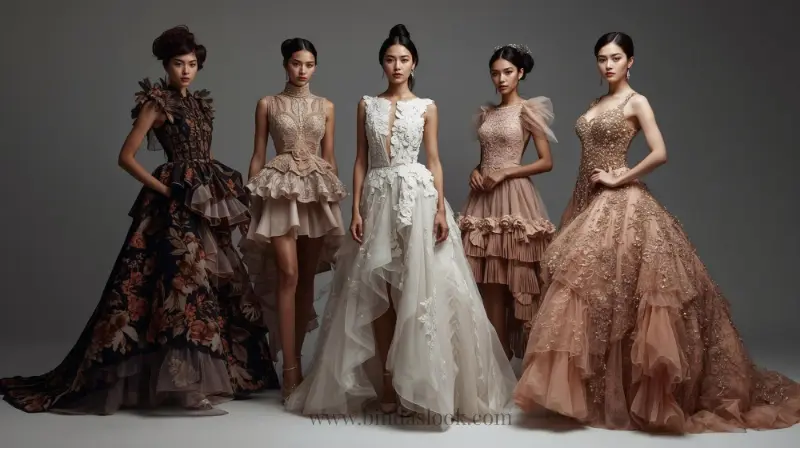
The aesthetic of sustainable style in 2026 will be characterized by a blend of timelessness, natural inspiration, and individual expression. Consumers are moving away from fast-fashion cycles towards investment pieces that offer versatility and durability. Earth tones, organic textures, and minimalist silhouettes will dominate, reflecting a deeper connection to nature and a desire for enduring quality over fleeting trends. This aesthetic shift is coupled with a growing appreciation for artisanal craftsmanship and upcycled garments, where imperfections are celebrated, and unique stories are woven into each piece.
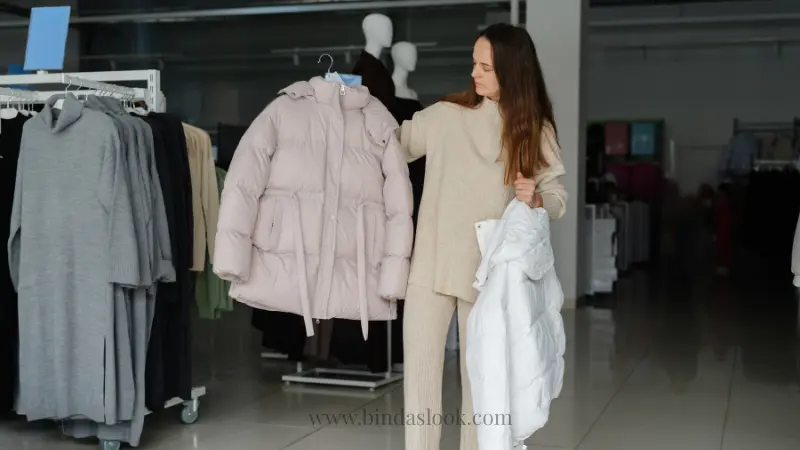
Beyond the physical garment, lifestyle shifts play a critical role. The rise of digital fashion and NFTs (Non-Fungible Tokens) offers a zero-waste avenue for experimentation and expression, with virtual try-ons and digital wardrobes gaining traction. Furthermore, the burgeoning rental and resale markets are transforming ownership models, emphasizing access over possession and significantly extending the lifespan of garments. These models align perfectly with circular economy principles, making sustainable fashion more accessible and engaging for a broader audience.
Transparency, Traceability, and Ethical Production
Trust is an indispensable component of sustainable fashion, and in 2026, transparency and traceability will be non-negotiable. Consumers demand to know the origins of their clothes, the environmental impact of their production, and the conditions under which garment workers are employed. Blockchain technology is emerging as a powerful tool to provide immutable records of a garment's journey from raw material to retail, offering unprecedented visibility into complex global supply chains. This digital ledger ensures authenticity and verifies claims of sustainability and ethical sourcing.
The importance of robust certifications and standards will continue to grow, providing consumers with credible assurances. Certifications like the Global Organic Textile Standard (GOTS), Fair Trade, and B Corp status will become benchmarks for brands demonstrating a genuine commitment to environmental protection and fair labor practices. Ethical production extends to responsible water and energy management in manufacturing processes, including the adoption of innovative dyeing techniques that significantly reduce water consumption and chemical waste. Ensuring living wages and safe working conditions for all individuals involved in the production process remains a central tenet, reflecting a holistic view of sustainability that encompasses social equity.
Comparing Sustainable Fashion Approaches
The landscape of sustainable fashion is diverse, with various approaches contributing to its evolution. Understanding the distinctions helps both consumers and brands navigate this complex ecosystem. We compare some prominent strategies below:
| Approach | Core Principle | Pros | Cons | 2026 Relevance |
|---|---|---|---|---|
| Slow Fashion | Quality over quantity, artisanal, ethical production, local sourcing | Longevity, reduced waste, supports local economies and craftsmanship, higher emotional value | Higher price point, slower adaptation to mass trends, limited scalability | Continues strong growth in premium and niche markets; foundational ethos for many brands. |
| Circular Fashion | Design for disassembly, recycling, reuse, regeneration, waste elimination | Minimizes virgin resource extraction, significantly reduces waste, promotes systemic change | Complex logistics, material degradation challenges, requires significant infrastructure investment | Highly influential, technological advancements making it more feasible; becoming a core industry standard. |
| Resale/Rental Platforms | Extending product lifespan, access over ownership, peer-to-peer exchange | Affordability, reduced demand for new production, democratizes sustainable fashion | Quality control, cleaning/maintenance burden, potential for 'greenwashing' if not genuinely circular | Mainstream adoption, particularly among Gen Z and millennials; vital for maximizing existing resources. |
| Sustainable Fast Fashion (Emerging) | Large-scale production with improved materials, processes, and ethical checks | Offers more affordable sustainable options, wider accessibility, scales solutions quickly | Risk of greenwashing, inherent volume still creates environmental pressure, transparency challenges | Growing as established brands adapt; critical for mass market transition if done authentically. |
Conclusion
The trajectory for sustainable style in 2026 is one of undeniable momentum and profound transformation. The convergence of consumer demand, regulatory imperatives, and groundbreaking innovations is reshaping the fashion industry from its foundational materials to its end-of-life cycles. The trends highlighted—from mycelium leathers and blockchain traceability to the embracing of timeless aesthetics and circular business models—paint a picture of a future where elegance and ecological responsibility are not just compatible but inseparable. The Ellen MacArthur Foundation emphasizes the urgency and opportunity of transitioning to a circular economy, stating that it "offers a compelling alternative to the linear economy, and has the potential to tackle some of the biggest global challenges." (Ellen MacArthur Foundation, 2017). Similarly, the UN Environment Programme consistently highlights the environmental and social impacts of the current fashion system and advocates for sustainable practices across the value chain. (UNEP, ongoing initiatives).
As we look to 2026, the call to action is clear for both consumers and brands. Consumers can drive change by making informed choices, prioritizing quality over quantity, and engaging with circular models. Brands, in turn, must invest in innovation, ensure radical transparency, and commit to ethical practices across their entire operations. The future of fashion is not just about what we wear, but how it's made, who makes it, and its impact on the planet. By embracing these eco-conscious trends, we can collectively weave a more sustainable, equitable, and stylish future.