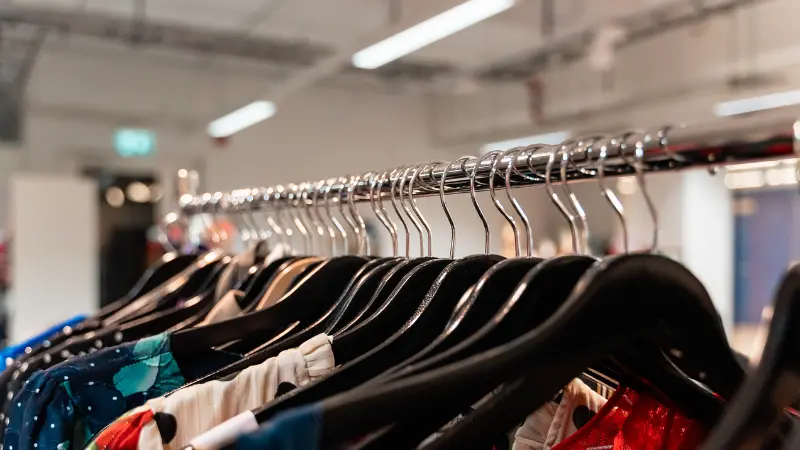
Behind the Seams: Sustainable Fashion Trends by 2026
The fashion industry stands at a critical juncture, navigating an urgent imperative for change. Historically characterized by rapid cycles and resource-intensive practices, a profound transformation towards sustainability is no longer merely an aspiration but a fundamental requirement for future viability. As expert strategists, we systematically analyzed the confluence of consumer behavior, technological innovation, and regulatory shifts to forecast the evolution of sustainable fashion trends by 2026. This period promises to be a pivotal era, moving beyond nascent efforts to embed circularity, transparency, and ethical production as core tenets of the industry.
The Pillars of Sustainable Fashion: A 2026 Perspective
By 2026, we anticipate a more sophisticated understanding and implementation of sustainability, built upon several interlocking pillars that transcend simple "green" marketing. The focus will firmly shift from mitigating harm to actively regenerating ecosystems and fostering equitable supply chains.
Circular Economy & Resource Optimization
The linear "take-make-dispose" model is rapidly becoming obsolete. By 2026, the principles of the circular economy will be deeply integrated into design, production, and consumption cycles. This involves designing products for longevity, repairability, and recyclability from inception. Advanced sorting technologies, chemical recycling innovations for mixed fibers, and scalable garment-to-garment recycling solutions will move from pilot projects to industrial application. We expect increased investment in infrastructure to support these closed-loop systems, reducing reliance on virgin resources.
The Ellen MacArthur Foundation, a leading proponent of the circular economy, emphasizes the necessity of designing out waste and pollution, keeping products and materials in use, and regenerating natural systems. Their framework provides a robust blueprint for the industry's future direction, a direction we observe many forward-thinking brands already adopting. Ellen MacArthur Foundation: Fashion Initiative
Material Innovation: Beyond Organic
While organic cotton and recycled polyester remain important, the landscape of sustainable materials will significantly broaden by 2026. We foresee a surge in bio-based and regenerative materials. This includes fabrics derived from agricultural waste (e.g., pineapple leaves, mushroom mycelium), lab-grown alternatives (e.g., microbial cellulose, cultivated leather), and fibers from regenerative agriculture, which not only avoid synthetic inputs but also actively improve soil health and biodiversity. Research and development will prioritize materials with minimal ecological footprints, high performance, and end-of-life biodegradability or recyclability.
Transparency & Traceability
Consumer demand for transparency, coupled with regulatory pressure, will elevate traceability to an industry standard by 2026. Blockchain technology and digital product passports (DPPs) will play crucial roles in creating immutable records of a garment's journey from raw material to retail, including environmental impact data, labor conditions, and care instructions. This granular visibility will empower consumers to make informed choices and hold brands accountable. Furthermore, it will enable brands to better manage their supply chains, identify risks, and comply with evolving legislation.
Ethical Production & Social Equity
Sustainability is incomplete without addressing its social dimension. By 2026, there will be an intensified focus on ethical production, encompassing fair wages, safe working conditions, gender equality, and community empowerment across the entire supply chain. Brands will be expected to conduct rigorous social impact assessments, engage directly with workers, and invest in local communities. The concept of "living wage" will gain greater traction as a benchmark for fair compensation, moving beyond mere minimum wage compliance.
Driving Forces Behind the Evolution
The trajectory of sustainable fashion is shaped by powerful external and internal forces, accelerating the pace of change.
Consumer Demand & Awareness
A burgeoning cohort of conscious consumers, particularly Gen Z and millennials, is driving much of the shift. These demographics are not only aware of fashion's environmental and social impact but are actively seeking out brands that align with their values. Social media platforms amplify this awareness, fostering communities around ethical consumption and holding brands accountable for greenwashing. By 2026, we project that sustainability will move from a niche concern to a mainstream expectation, influencing purchasing decisions across all market segments.
Regulatory Pressures & Policy Shifts
Governments and supranational bodies are increasingly enacting legislation to curb the fashion industry's environmental impact. The European Union's ambitious Circular Economy Action Plan and upcoming regulations on textile waste, digital product passports, and extended producer responsibility (EPR) are prime examples. Similar legislative frameworks are emerging globally. By 2026, these policies will create a more level playing field, incentivizing sustainable practices and penalizing non-compliance, thereby accelerating systemic change.
For instance, the European Commission's textile strategy aims to ensure that by 2030, textile products placed on the EU market are long-lived and recyclable, made as much as possible of recycled fibres, free of hazardous substances and produced in respect of social rights and the environment. This legislative push is a powerful catalyst for change within the industry. European Commission: EU Strategy for Sustainable and Circular Textiles
Technological Advancements
Technology serves as a critical enabler for sustainable transformation. Artificial intelligence (AI) optimizes design processes, reduces waste through demand forecasting, and even facilitates advanced material sorting for recycling. Automation and robotics in manufacturing can improve efficiency and reduce resource consumption. Furthermore, digital fashion, including NFTs and metaverse wearables, offers a pathway to reduce physical production, enabling creativity and consumption with minimal environmental footprint, a trend we systematically analyzed for its disruptive potential.
Key Trends Shaping the Landscape by 2026
Beyond the foundational pillars, specific trends are poised to redefine how we interact with fashion.
Hyper-Personalization & On-Demand Production
The era of mass production and its associated waste is giving way to tailored experiences. By 2026, we anticipate a significant increase in hyper-personalized and on-demand manufacturing. This model, often facilitated by 3D printing and advanced digital design, reduces overproduction, minimizes inventory, and caters precisely to individual preferences, thereby diminishing waste at every stage.
The Rise of Repair & Rental Models
The paradigm shift from ownership to access will gather significant momentum. Rental platforms for everyday wear, luxury items, and even specialized apparel will become more pervasive. Concurrently, repair services, both in-house by brands and through independent networks, will be actively promoted to extend garment lifespans. This focus on utilization over acquisition fundamentally alters consumption patterns and reduces the ecological footprint of fashion.
Biodiversity & Regenerative Practices
Moving beyond 'less bad,' the industry will increasingly embrace practices that actively restore and regenerate natural ecosystems. This includes sourcing from farms practicing regenerative agriculture, protecting biodiversity in fiber production regions, and investing in reforestation projects. Brands will integrate biodiversity metrics into their sustainability reporting, recognizing the intrinsic link between ecological health and a resilient supply chain.
Challenges & Opportunities
While the path to sustainable fashion by 2026 is promising, it is not without its hurdles. Scalability of innovative materials, the economic viability of circular systems, and preventing greenwashing remain significant challenges. However, these challenges also present immense opportunities for innovation, collaboration, and market leadership. Brands that genuinely embed sustainability into their DNA, transparently communicate their efforts, and invest in systemic change will not only thrive but also shape the future of fashion responsibly.
We believe the following comparison illustrates the shift:
| Aspect | Current (Transitioning) State | Projected by 2026 (Advanced Sustainability) |
|---|---|---|
| Material Focus | Organic cotton, recycled PET (mitigating harm) | Bio-based, regenerative, lab-grown (active regeneration, circularity) |
| Production Model | Mass production with some sustainable lines | On-demand, hyper-personalized, closed-loop systems |
| Supply Chain | Limited visibility, reactive auditing | Blockchain-enabled transparency, proactive social/environmental impact assessment |
| Consumer Engagement | Ethical niche, awareness growing | Mainstream expectation, demand for verified impact |
| Business Model | Linear sales, fast fashion dominant | Rental, repair, resale, product-as-service integrated |
Conclusion
By 2026, the sustainable fashion landscape will be profoundly different from what we see today. It will be characterized by deeply integrated circular principles, groundbreaking material innovations, unparalleled transparency, and an unwavering commitment to social equity. The journey is complex, demanding systemic change across design, production, and consumption. Yet, the collective momentum from conscious consumers, proactive policymakers, and innovative technologies points towards an industry that not only minimizes its footprint but actively contributes to a healthier planet and more equitable society. The future of fashion is undeniably sustainable, and its seams are being re-stitched with purpose and foresight.